Z-type Bucket Elevator Alternative Conveyor for Fertilizer | Kunwei
Z-type Bucket Elevator Alternative Conveyor for Fertilizer | Kunwei
Reducing Plant Noise and Maintenance: The Best Z-type Bucket Elevator Alternative Conveyor
In fertilizer processing plants, specifically those handling urea granules and NPK compounds, the operational limitations of traditional Z-type bucket elevators are a frequent source of frustration. High mechanical noise from clanking chains, constant lubrication requirements, and the risk of catastrophic chain failure lead to high downtime and an unpleasant working environment. The demand for a Z-type bucket elevator alternative conveyor has never been higher as plants look for more reliable, continuous flow systems. At Kunwei Machine, our DJ Series sidewall conveyor offers a superior engineering solution, replacing complex chain-and-bucket mechanisms with a single, high-durability belt that operates silently and minimizes maintenance costs.
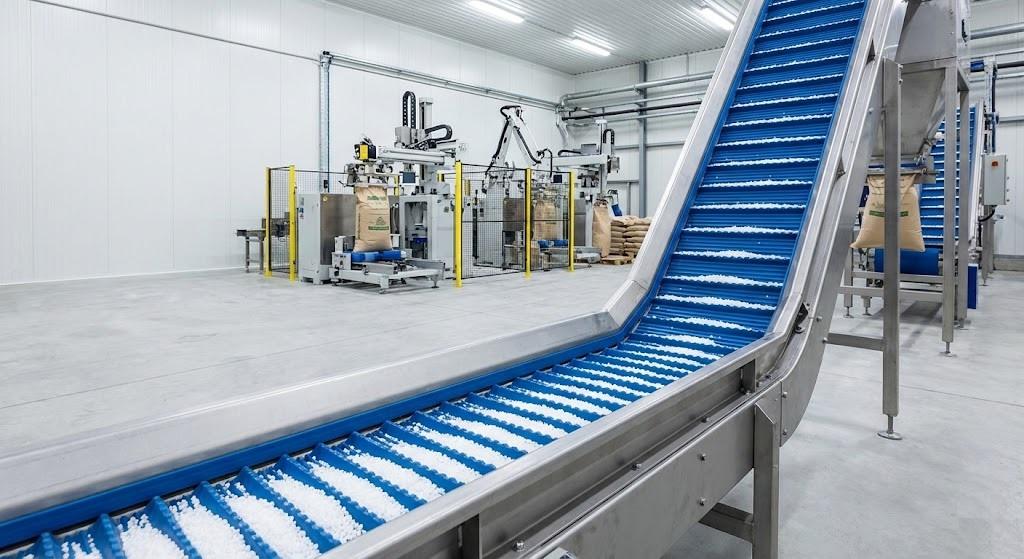
Z-type Bucket Elevator Alternative Conveyor
Seamless Vertical Transport in Fertilizer Production
- Urea Granule Silo Feeding: Lift corrosive urea granules from secondary screens to the top of storage or blending silos at angles up to 90 degrees.
- Bagging Line Supply: Provide a steady, continuous flow of finished fertilizer to automated packaging lines, eliminating the “pulsing” feed characteristic of traditional elevators.
- Multi-Level Plant Transfer: Navigate complex, multi-story factory layouts with a Z-shaped or L-shaped configuration using a single belt, reducing the number of transfer points and potential spillage zones.
Unlike bucket elevators that rely on hundreds of moving pins and bushings, our Z-type bucket elevator alternative conveyor utilizes the “pocket” design of the sidewall belt. This ensures that delicate granules are cradled securely during the vertical transition, preventing the impact damage and fines generation often associated with high-speed bucket discharge.
| Comparison Item | Traditional Z-Type Bucket Elevator | Kunwei Sidewall Belt Conveyor (Alternative) |
| Noise Level | High (> 85dB, Metal clanking) | Low (< 70dB, Rubber operation) |
| Maintenance | Frequent (Chain lubrication & tensioning) | Minimal (Sealed bearings & simple tension) |
| Material Damage | High (Bucket impact & pinching) | Zero (Static pocket transport) |
| Cleanliness | Chain grease can contaminate fertilizer | Oil-free & Food-grade belt available |
DJ Series Technical Specifications for Fertilizer Plants
| Technical Feature | Kunwei Engineered Solution |
|---|---|
| Belt Width (mm) | 500mm – 1400mm |
| Operational Noise | < 70 dB (Low-Noise Operation) |
| Material Compatibility | Urea-resistant NBR or PVC Belting |
| Vertical Angle | 30° to 90° Vertical Lift |
The engineering logic behind our low-noise performance is the elimination of metal-on-metal contact. By replacing the drive chains of a bucket elevator with a high-tensile rubber belt, we eliminate the primary source of vibration and high-frequency clatter, resulting in a system that is as quiet as it is efficient.
Corrosion Resistance and Continuous Flow Engineering
Urea granules are notoriously hygroscopic and mildly corrosive, which can cause metal chains in bucket elevators to seize or weaken over time. To counter this, Kunwei utilizes chemical-resistant NBR belt compounds combined with optional stainless steel (SS304) internal frames. Our integral hot vulcanization process ensures the sidewalls and cleats are molecularly fused to the base belt, creating an easy-to-clean surface that prevents material buildup and subsequent mold or corrosion. This engineering approach ensures a truly continuous flow of material, avoiding the intermittent supply issues caused by chain stretching or bucket jamming.
Modular Upgrades for Fertilizer Handling
- Rotary Brush Cleat Cleaners: Non-powered systems to effectively remove sticky urea dust from cleat pockets.
- Variable Frequency Drives (VFD): Precise control over throughput speed to match upstream production rates.
- Fully Enclosed Housing: Optional dust-tight covers to maintain negative pressure and prevent fertilizer dust from escaping into the facility.
Expert Verification: Auditing Your Conveyor Upgrade
Quality Check: Comparing Decibel Levels and Flow Stability
A major NPK fertilizer plant in Southeast Asia replaced three Z-type elevators with Kunwei sidewall conveyors, reducing their maintenance man-hours by 40%. To verify the performance of your Z-type bucket elevator alternative conveyor, use this engineering guide:
- Perform a dB Test: Measure the noise level at 1 meter from the drive unit. A professional sidewall conveyor should operate consistently below 75 decibels, whereas a chain-bucket elevator often exceeds 85-90 decibels.
- Monitor Flow Continuity: Check for a steady discharge stream. Unlike the bucket-by-bucket delivery of an elevator, a sidewall conveyor provides a near-uniform curtain of material, which is critical for accurate bagging and weighing.
- Inspect Chain vs. Belt Tension: Verify the tensioning mechanism. Belt tensioners require significantly less frequent adjustment than the complex chain-tensioning systems found in traditional elevators.
Ready to silence your plant and reduce downtime? Discover more Belt Conveyor Solutions or contact Kunwei today for a technical comparison of our sidewall conveyors versus Z-type elevators.