Product


Heavy-Duty Belt Tripper (Unloading Trolley)
Heavy-Duty Belt Tripper (Unloading Trolley) | Mining & Port Systems Heavy-Duty Belt Tripper (Unloading Trolley) The High-Capacity Discharge Solution for Mining, Power, and Ports. While standard trippers handle grain or fertilizer, t
Heavy-Duty Belt Tripper (Unloading Trolley) | Mining & Port Systems
Heavy-Duty Belt Tripper (Unloading Trolley)
The High-Capacity Discharge Solution for Mining, Power, and Ports.
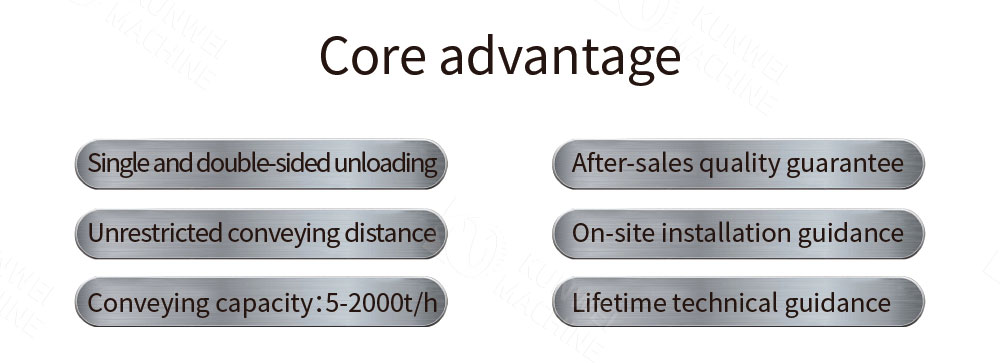
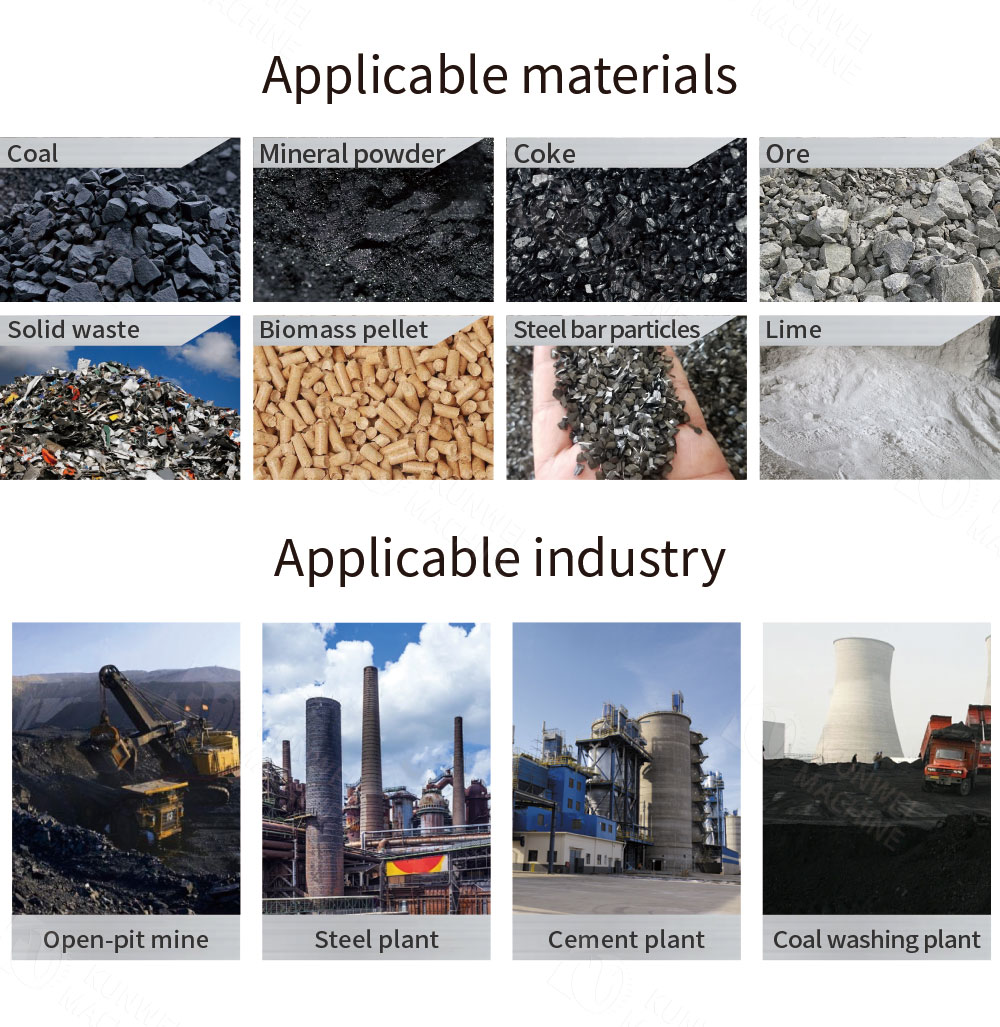
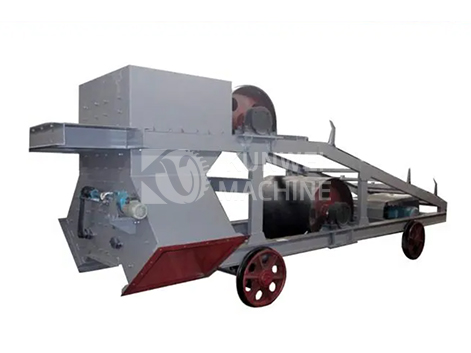
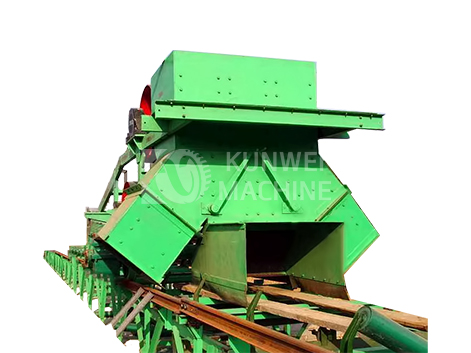
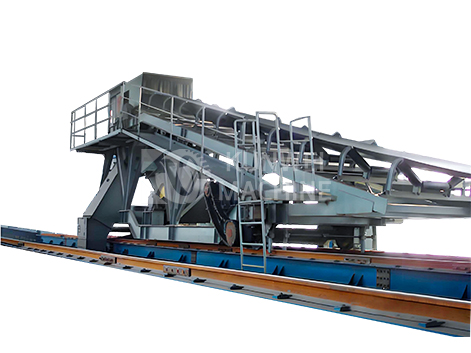
While standard trippers handle grain or fertilizer, the Heavy-Duty Belt Machine Unloading Trolley (Industry Term: Heavy-Duty Tripper Car) is engineered for the extreme. Designed to handle iron ore, copper concentrate, and coal at rates exceeding 2000 t/h.
This system is the mobile heart of large-scale stockpiling operations. It allows a high-speed, high-tension conveyor to discharge material continuously along a stockpile length of up to several kilometers.
Heavy-Duty vs. Standard: What’s the Difference?
Why choose this “Heavy-Duty” model over the lighter “Fabric” version? It comes down to Tension and Durability.
1. Structure for High Tension
High-capacity belts (especially Steel Cord Belts) operate under immense tension (up to 200kN).
Reinforced Frame: We use a Box-Girder or Heavy H-Beam structure instead of standard channel steel. This prevents the tripper frame from twisting under the belt’s pull force.
Large Pulleys: Features large diameter bend pulleys (800mm, 1000mm, 1250mm) to handle the stiffness of Steel Cord (ST) belts without causing fatigue failure.
2. High-Torque Drive System
Moving a 10-ton machine against the drag of a loaded belt requires serious power.
Dual-Drive Bogies: Typically equipped with two or four synchronized gearmotors to prevent wheel slip on the rails.
Fluid Couplings: Installed between the motor and gearbox to ensure a smooth, shock-free start, protecting the rail alignment.
3. Aggressive Wear Protection
Chute Liners: The discharge chutes are lined with Chromium Carbide Overlay (CCO) plates or High-Alumina Ceramic to withstand the impact of abrasive rocks like Granite or Taconite.
Ceramic Lagging: Drive pulleys feature full ceramic lagging for maximum traction in wet, muddy mining conditions.
4. The belt machine unloading trolley structure composition.
Traveling light rail. Walking light rail is set up in the conveyor above, as walking steel wheel support and running track use.
Receiving hopper. The material is transported to the receiving hopper by the conveyor belt, and then deposited and dispersed to the chute.
Chute. Like all the head chutes, the chute of the unloading trolley includes double-side unloading and single-side unloading.
Walking drive structure. The unloading trolley can move by itself, so it needs to install the traveling drive structure. Walking drive structure consists of motor reducer.
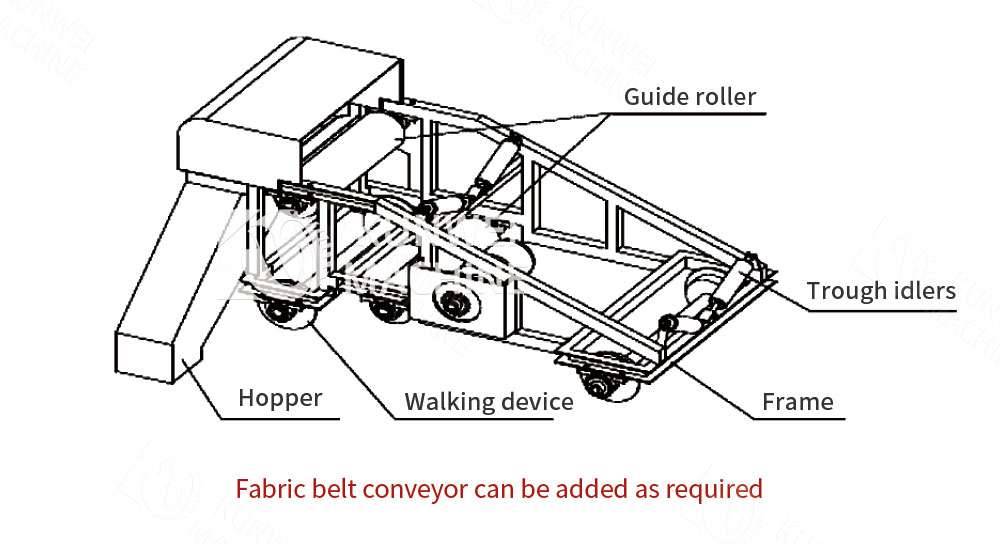
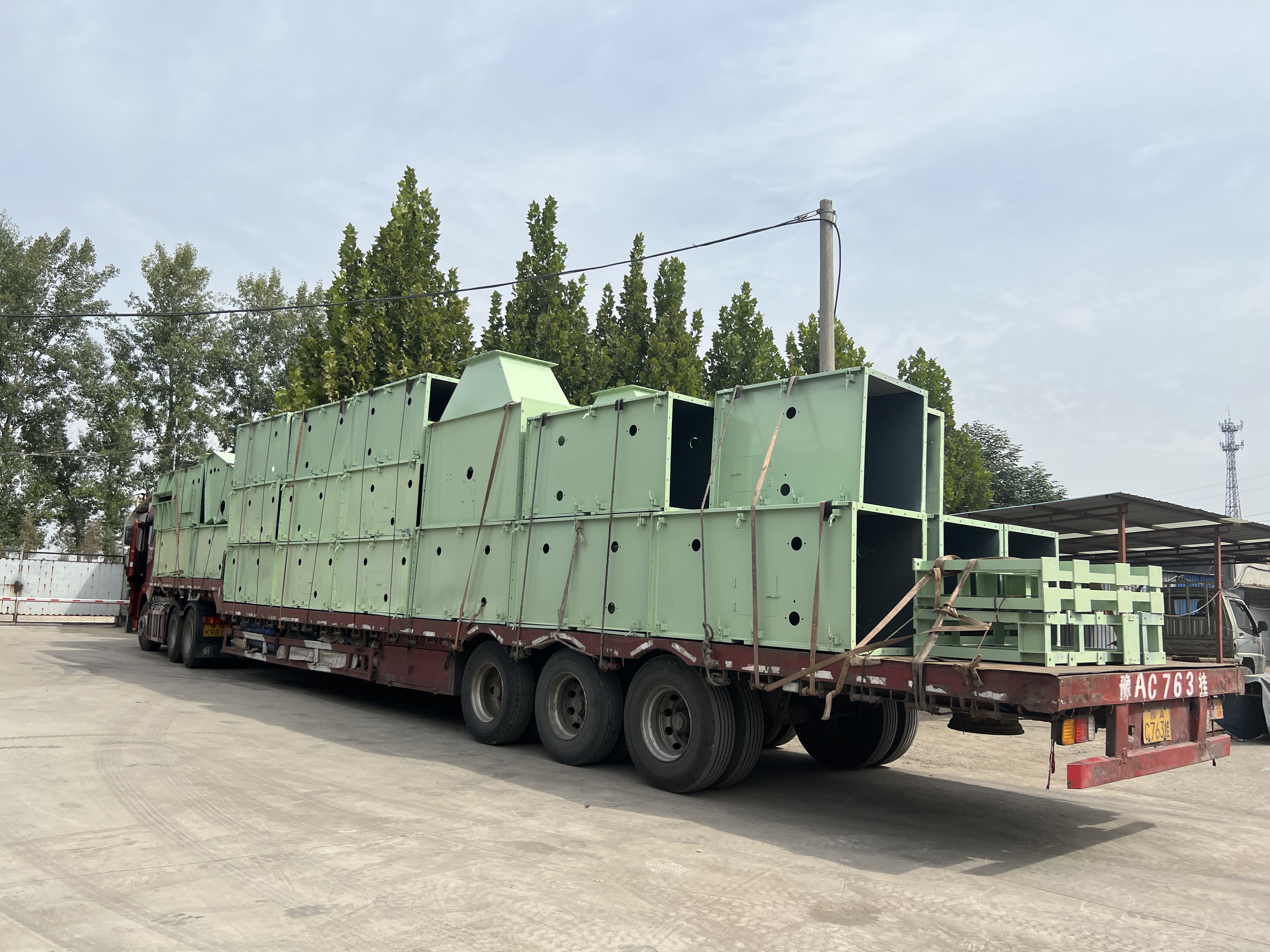
Heavy-Duty Belt Tripper composition
Primary Applications
This machine is strictly for industrial heavyweights:
Steel Mills: Creating strategic iron ore and coking coal stockpiles.
Thermal Power Plants: Managing massive coal yards with automated stacking.
Sea Ports: Loading bulk storage sheds directly from ship unloaders.
Technical Specifications (Heavy-Duty Series)
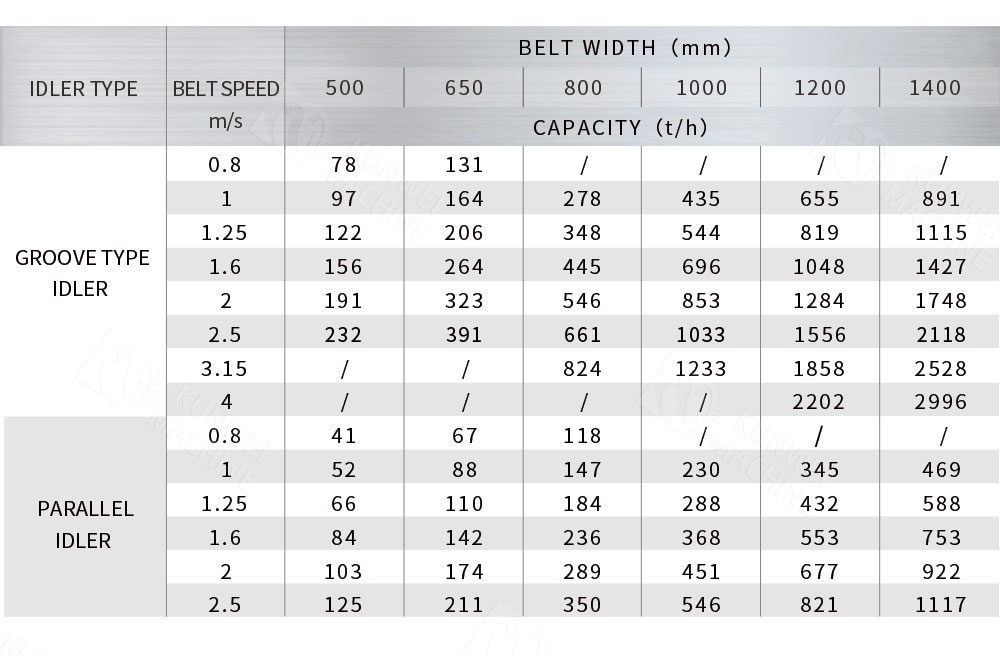
| Parameter | Specification Range | Engineer’s Note |
| Belt Width | 1000mm – 2400mm | Supports High-Speed Belts |
| Belt Speed | 2.5 m/s – 5.8 m/s | High speed requires balanced pulleys |
| Capacity | 800 – 6000 t/h | Custom engineered for density |
| Rail Type | 24kg, 38kg, 43kg (Heavy Rail) | Must match wheel profile |
| Braking | Hydraulic Thruster / Electromagnetic | Mandatory for safety |
| Dust Control | Dry Fog / Water Spray | Integrated pump systems available |
🔍 Engineer’s Insight: Decoding the Specs
Don’t just look at the numbers. Here is what these specifications mean for your site engineering and safety protocols.
1. Why High Speed Matters (Speed > 2.5 m/s)
Standard conveyors run at 1.0-1.6 m/s. Our heavy-duty trippers are designed for 2.5 m/s to 5.8 m/s.
The Engineering Challenge: At high speeds, even a slight imbalance in the pulley causes massive vibration.
Our Solution: All pulleys on this unit undergo Dynamic Balancing (Grade G6.3 or G2.5). We also use double-row spherical roller bearings to absorb the high-frequency radial loads, ensuring the tripper doesn’t shake itself apart.
2. Rail Selection is Critical (Rail Type)
You cannot run a 15-ton machine on light rails.
Matching Profile: The wheel profile must match the rail head contour perfectly.
Recommendation: For capacities >1000 t/h, we strictly mandate P38 (38kg/m) or P43 (43kg/m) Heavy Rails. Using light rails (like 24kg/m) will lead to rail head deformation and eventual derailment under the dynamic load of a moving tripper.
3. Braking Logic (Hydraulic vs. Electro)
Stopping a heavy moving mass requires more than friction.
Hydraulic Thruster Brakes: These are “Fail-Safe.” If power is cut, the spring instantly clamps the brake. This is mandatory for mining safety.
Rail Clamps (Storm Brakes): For outdoor port applications, we integrate hydraulic rail clamps that bite into the rail side to prevent the tripper from being blown away by typhoons/hurricanes when parked.
4. Capacity Realities (Density Factor)
The stated capacity (e.g., 6000 t/h) is volume-based.
Warning: If you are handling Iron Ore (Density ~2.5) versus Coal (Density ~0.8), the volumetric load is the same, but the Weight Load triples.
Impact: For Iron Ore, the structural steel thickness and motor power must be upgraded by roughly 200% compared to a Coal tripper of the same width. Always specify your material density in the inquiry.
FAQ: Heavy Industry Operations
Q: Can this tripper handle Steel Cord (ST) Belts?
Yes. This is the correct model for ST belts. We configure it with large diameter pulleys (typically >800mm) to meet the minimum bend radius requirements of ST belt manufacturers (Goodyear, ContiTech, etc.).
Q: How is the cable managed for long travel distances?
For travel distances > 100m, a standard cable reel is insufficient. We utilize a Motorized Cable Reel with Torque Control or a Power Rail (Busbar) system mounted on the side of the conveyor for reliable power delivery.
Q: Is it automated?
Yes. The unit integrates with your plant’s DCS/PLC. Using encoders and RFID positioning, the tripper can perform fully automated “Chevron Stacking” or “Cone Stacking” patterns without an operator on board.
Build Your Heavy-Duty Line
For projects requiring high throughput and extreme reliability.

Heavy-Duty Belt Tripper