Product


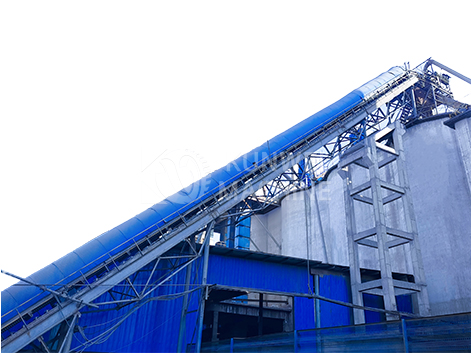
Closed Large-Inclination Belt Conveyor
Dust-Free Vertical Transport The Closed Large-Inclination Belt Conveyor (DJ Series) is a continuous bulk material handling system designed specifically for vertical or steep-angle lifting (30°–90°) in environmentally sensitive areas. Unlike open-styl
Dust-Free Vertical Transport
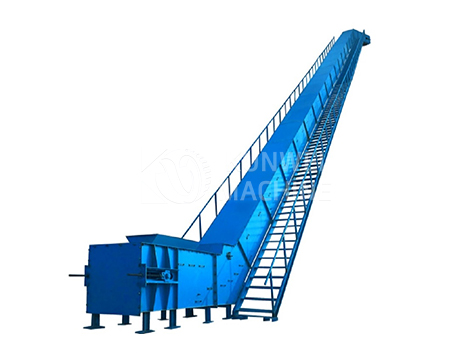
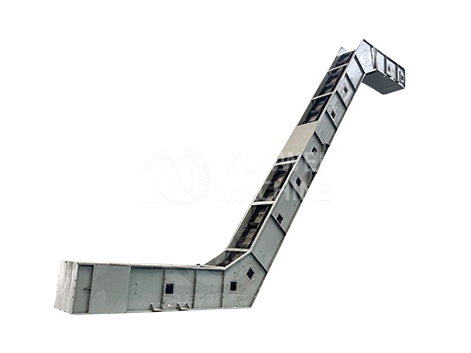
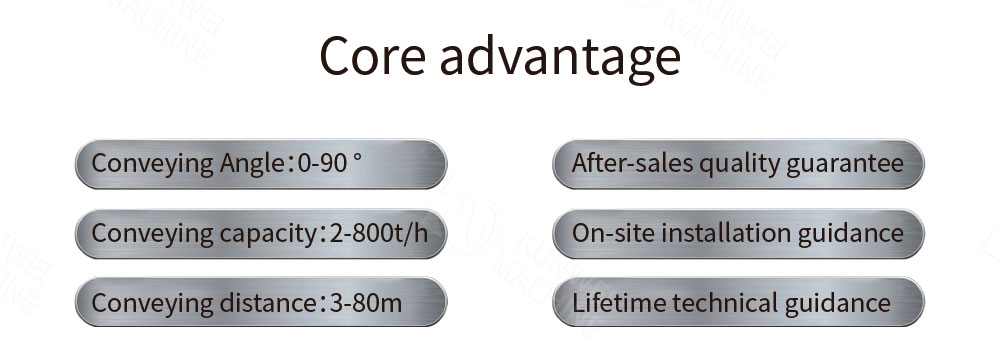
The Closed Large-Inclination Belt Conveyor (DJ Series) is a continuous bulk material handling system designed specifically for vertical or steep-angle lifting (30°–90°) in environmentally sensitive areas.
Unlike open-style sidewall conveyors, this system houses the entire return and carrying run within a rigid, fully sealed steel enclosure. This design addresses two critical industrial pain points:
-
Environmental Compliance: Prevents hazardous dust (e.g., chemical powders, cement clinker) from escaping into the facility.
-
Material Protection: Protects hygroscopic or sensitive materials from external moisture, rain, and wind during outdoor transport.
It effectively replaces bucket elevators in applications where material degradation must be minimized, as the material sits statically in the belt pockets without being scooped or thrown.
Working Principle & Structure
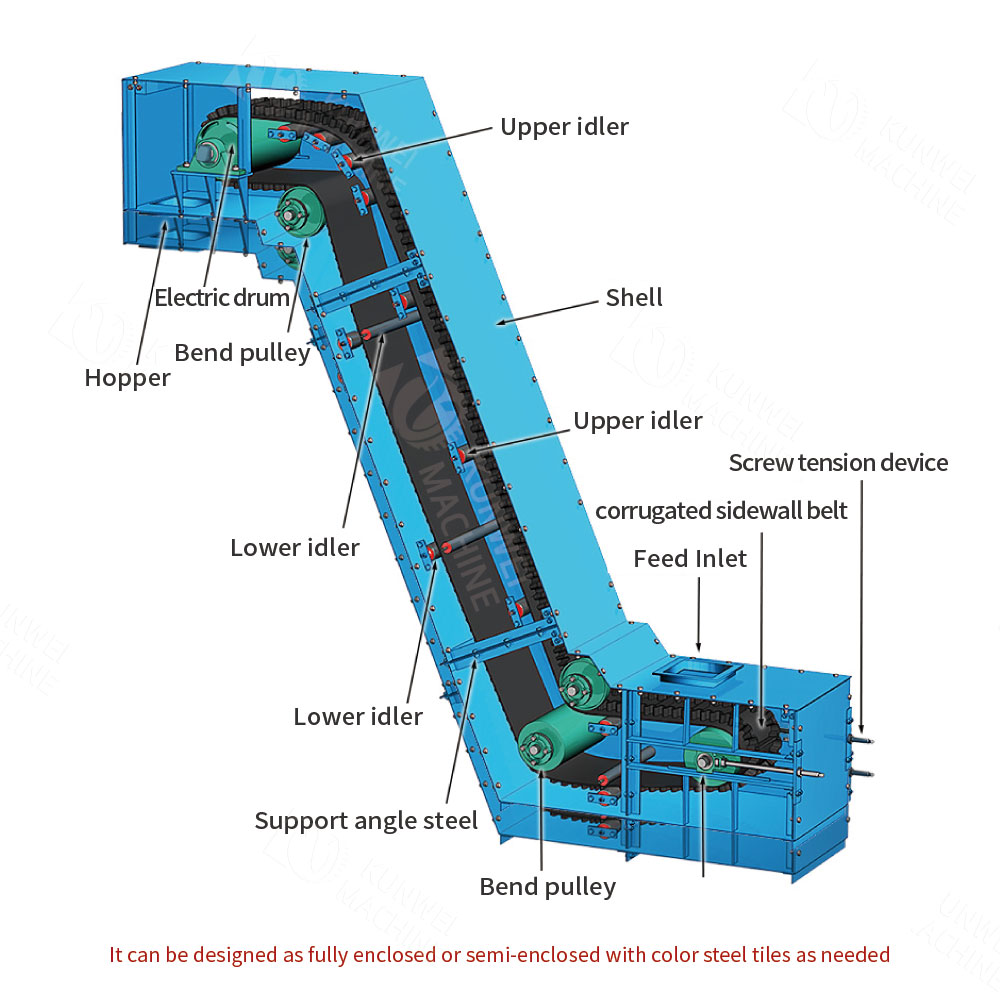
The system operates on the principle of a Corrugated Sidewall Belt running within a dust-tight casing.
- The Belt: Comprises a cross-rigid base belt, flexible corrugated sidewalls (to contain material), and transverse cleats (to prevent rollback). All components are hot-vulcanized to ensure integral bonding strength.
- The Enclosure: A modular steel casing connects seamlessly with upstream feeders and downstream chutes. It maintains a negative pressure environment when connected to a dust collection system.
- The Drive: The motor drives the head pulley, pulling the loaded belt vertically. Special deflection wheels change the belt direction from horizontal loading to vertical lifting.

Structure Composition:Enclosed large inclination angle belt conveyor structure is in the flat rubber transportation belt on both sides of the rubber wave-shaped vertical skirt, between the skirt and sticky with a certain strength and elasticity of the transverse partition box-shaped bucket, so that the material in the bucket for continuous conveying in the conveyor belt is equipped with a dust cover.
Technical Specifications
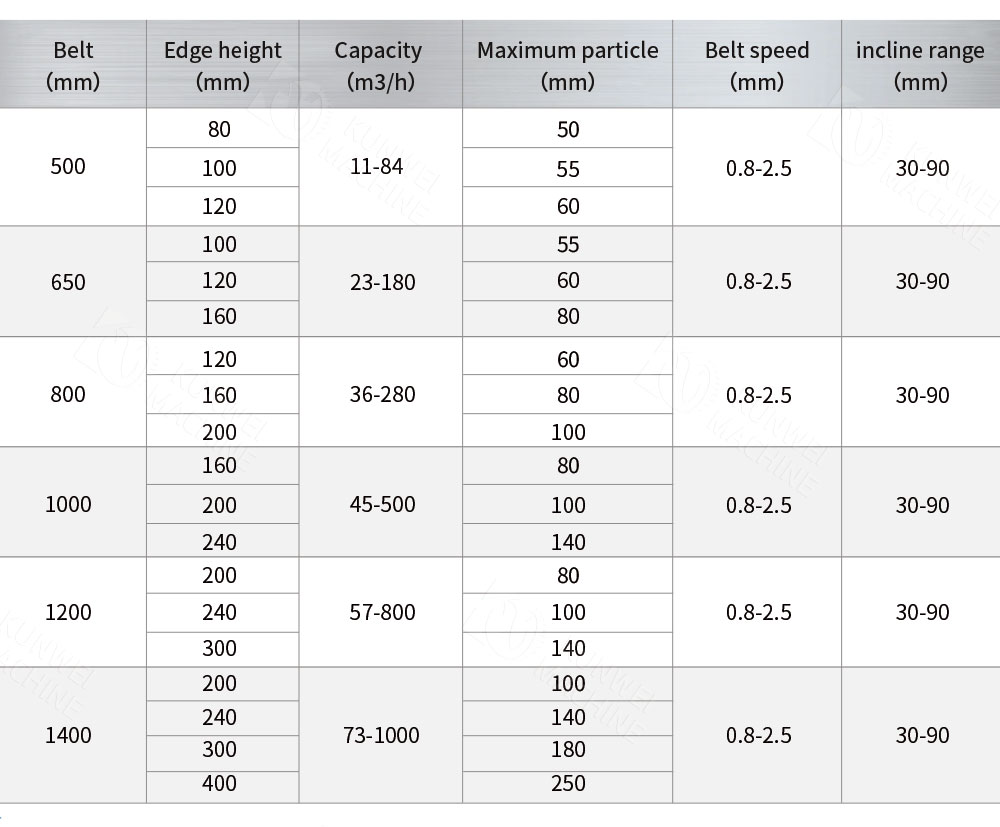
Note: Capacities below are based on a material bulk density of 1.0 t/m³ and standard belt speeds. We customize motor power based on your specific vertical lift height.
| Model | Belt Width (mm) | Cleat Height (mm) | Vertical Lift (m) | Capacity (m³/h) | Max Angle |
| DJ-400 | 400 | 80 / 100 | ≤ 30 | 20 – 45 | 90° |
| DJ-500 | 500 | 100 / 120 | ≤ 40 | 35 – 75 | 90° |
| DJ-650 | 650 | 140 / 160 | ≤ 50 | 70 – 130 | 90° |
| DJ-800 | 800 | 180 / 200 | ≤ 80 | 110 – 220 | 90° |
| DJ-1000 | 1000 | 220 / 250 | ≤ 100 | 200 – 380 | 90° |
| DJ-1200 | 1200 | 280 / 300 | ≤ 120 | 350 – 550 | 90° |
Product Features
- Closed can be effective dust, wind, sun, rain, etc., environmental protection and at the same time extend the service life of the conveyor belt.
- Large conveying capacity, simple structure.
- Easy maintenance, standardization of components.
- According to the requirements of conveying process, it can be single conveyor or multiple units.
- Compared with other conveyor noise is small, suitable for the working environment requires quieter occasions.
Applicable Materials & Industries
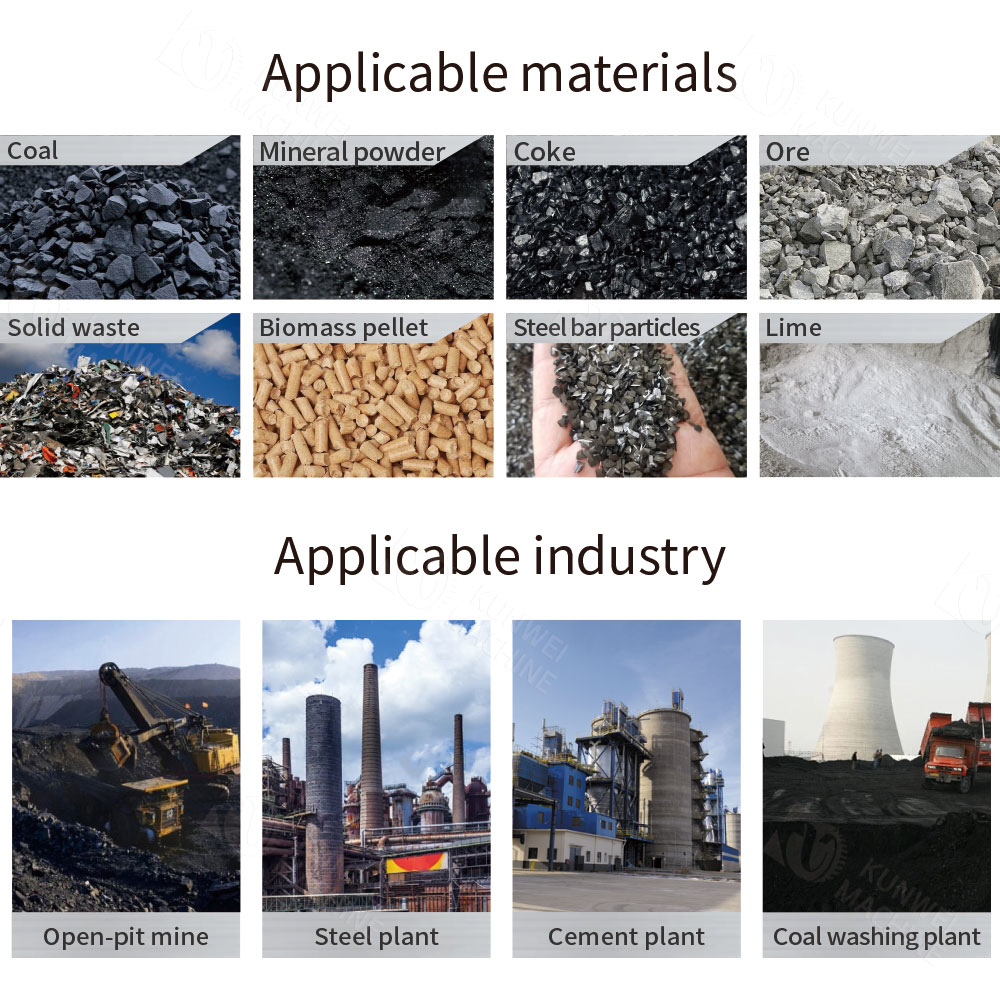
This system is engineered for Bulk Solids with a density range of 0.5 – 2.5 t/m³.
- Chemical Industry: Carbon black, Soda ash, Urea prills, Sulfur powder.
- Thermal Power: Coal fines, Biomass pellets, Petroleum coke, Limestone powder (Desulfurization).
- Metallurgy: Sintered ore, Iron pellets, Foundry sand.
- Grain & Food: Wheat, Soybeans, Raw sugar, Salt. (Stainless Steel 304 contact parts available).
- Construction: Cement clinker, Dry mortar, Silica sand.

Henan Kunwei machinery in the manufactured belt conveyor, the most skillful conveying equipment is the large inclination belt conveyor, in many industries around the country have Henan Kunwei machinery production of large inclination belt conveyor, large angle belt conveyor can be large angle conveyor or even vertical conveyor, has a large conveying capacity, covers an area of small, easy to maintain and so on, and therefore is widely used in coal, building materials, construction, metallurgy, Electric power, chemical industry and light industry and other industries.
Key Engineering Features
- Zero Leakage Design: The head and tail sections feature double-layer labyrinth seals. The intermediate sections are gasketed to ensure a dust-tight seal.
- Space Efficiency: A 90° vertical installation saves up to 80% of floor space compared to traditional trough belt conveyors or screw conveyors.
- Reduced Degradation: Unlike screw conveyors which grind material, or bucket elevators which dig material, the sidewall belt carries material gently. Ideal for fragile pellets.
- Cleat Technology: We use TC-Type (C-Type) or T-Type reinforced cleats. For high-lift applications (>40m), we reinforce cleats with internal fabric layers to prevent deformation under load.
Engineer’s Note: Selection & Limitations
Important Selection Advice:
-
Sticky Materials: This system is NOT recommended for wet, sticky sludge (e.g., filter cake with >20% moisture). Sticky material adheres to the pocket bottom and fails to discharge at the top, reducing capacity by up to 50%. For sticky materials, use a Shaftless Screw Conveyor instead.
-
Temperature Limits: Standard Black Rubber belts operate at -20°C to +60°C. For hot materials (e.g., Clinker, Slag), you MUST specify EPDM Heat-Resistant Belting (Rated up to 150°C or 180°C).
-
Maximum Lump Size: To avoid damaging the sidewalls, the max particle size should not exceed 10% of the belt width.
FAQ
Q: How do you clean the belt inside the enclosed casing?
A: We install a passive beater wheel or an electric rotary brush at the discharge point. This mechanism taps the back of the belt to dislodge fine particles from the pockets before the belt enters the return run.
Q: Can I inspect the belt without opening the whole casing?
A: Yes. The enclosure is equipped with quick-release inspection hatches at the head, tail, and transition sections for routine visual checks and maintenance.
Q: What is the service life of the sidewall belt?
A: Under normal operating conditions (non-sharp materials), the base belt lasts 3-5 years. The sidewalls and cleats, being high-wear parts, typically last 1-3 years depending on material abrasiveness. Our Hot Vulcanization process significantly extends this life compared to cold-bonded belts.
Need Help? Not sure if this fits your layout? Contact our Engineering Team for a free CAD drawing.