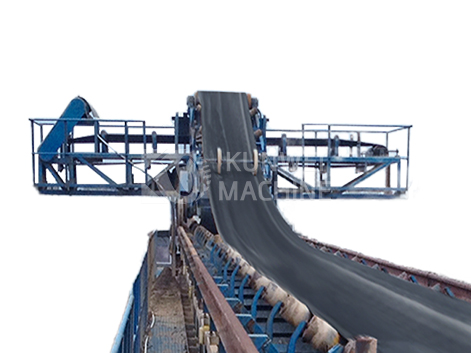
Fabric Belt Unloading Trolley (Belt Tripper): Mobile Stockpiling Solutions
The Mobile Standard for Continuous Stockpiling In bulk material handling, a fixed conveyor only solves half the problem: moving material from A to B. The Fabric Belt Unloading Trolley (technically known as a Belt Tripper) solves the logistics
The Mobile Standard for Continuous Stockpiling
In bulk material handling, a fixed conveyor only solves half the problem: moving material from A to B. The Fabric Belt Unloading Trolley (technically known as a Belt Tripper) solves the logistics of distribution.
For facility operators managing grain silos, fertilizer sheds, or coal bunkers, a fixed discharge point is a bottleneck. It creates a single conical pile that wastes up to 40% of your available storage volume.
The Fabric Unloading Trolley transforms a standard fixed conveyor into a dynamic distribution system. By traveling along the conveyor’s length on rails, it allows for continuous, flat-topped stockpiling or precise discharge into multiple sequential bins. It is the engineered standard for utilizing 100% of your warehouse capacity.
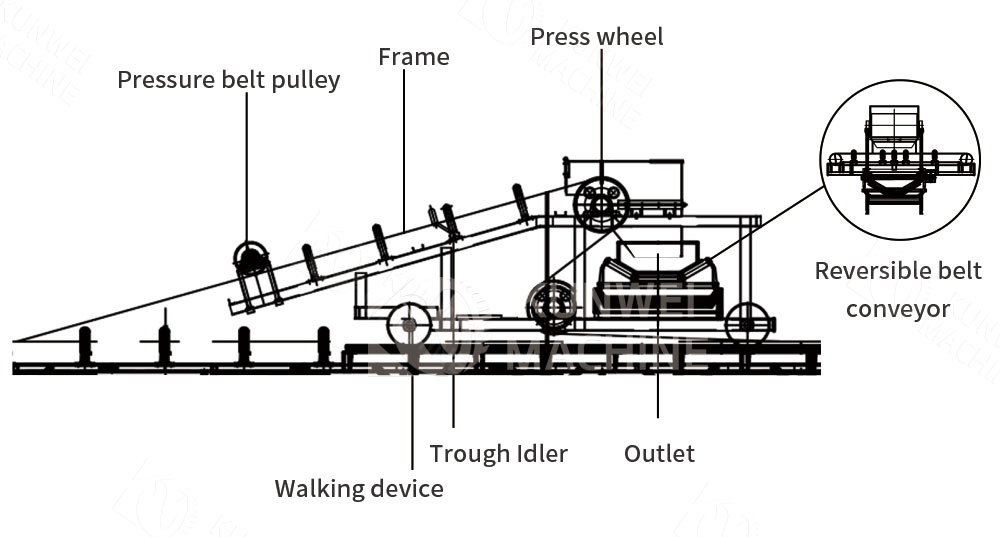
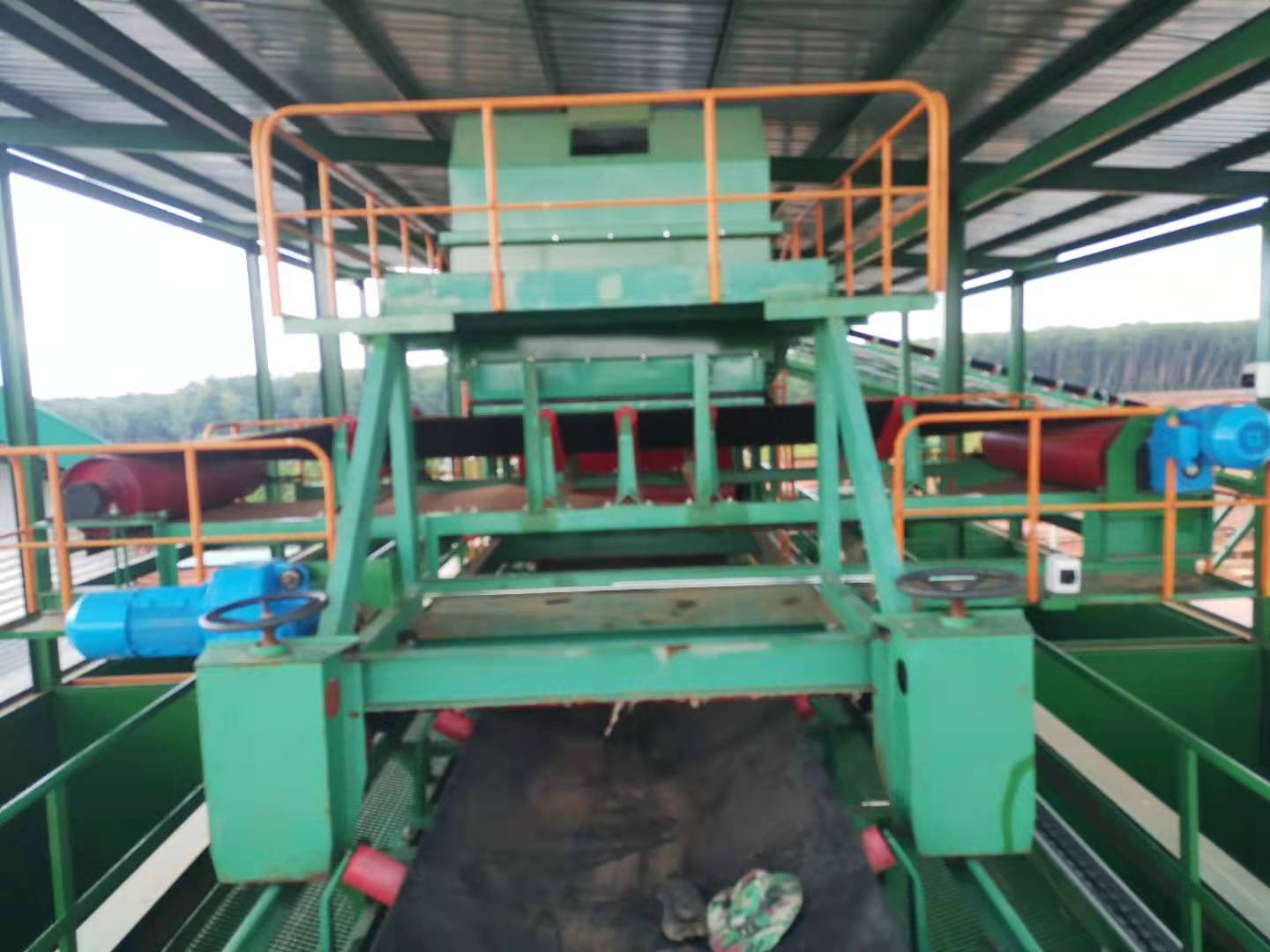
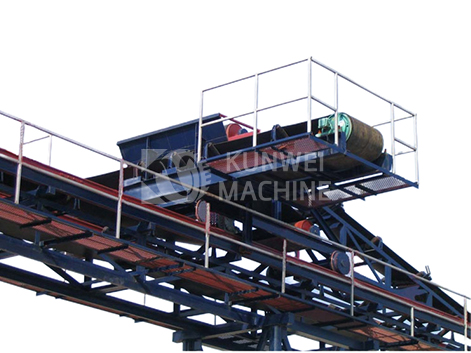
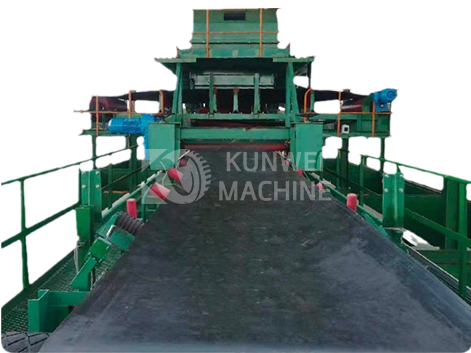
Working Principle: The belt is lifted by the tripper pulleys to discharge material into the chute.
Engineering Logic: Why “Fabric” Specific?
You will often see this equipment specified as a “Fabric Belt” Trolley. This is not a marketing term; it is a critical engineering constraint related to the Belt Bending Radius.
The Pulley Diameter Factor
A Tripper works by lifting the belt into an “S” shape to discharge material.
Steel Cord (ST) Belts: Require massive bend pulleys (typically >1000mm) to prevent internal steel cable fatigue. This necessitates heavy, expensive, custom-built trippers.
Fabric (EP/NN) Belts: Are inherently more flexible. Our Fabric Unloading Trolley utilizes optimized pulley diameters (500mm, 630mm, or 800mm) that match the specific ply-rating of standard EP/NN belts.
The Result: A lighter, more energy-efficient machine that imposes less dead load on your conveyor structure, significantly reducing your initial infrastructure CapEx compared to heavy-duty ST systems.
Tripper vs. Plow Unloader: The Critical Trade-off
One of the most common procurement errors is confusing the Unloading Trolley (Tripper) with the Plow Unloader (Scraper). While both discharge material, their mechanics and use cases are opposite.
| Feature | Unloading Trolley (Belt Tripper) | Plow Unloader (V-Plow) |
| Discharge Method | Pulley Redirection (Gravity throw) | Scraper Bar (Physical contact) |
| Belt Wear | Zero Friction (Belt rolls over pulleys) | High Friction (Scrapes belt surface) |
| Material Type | Heavy, Abrasive, Lumps (Coal, Ore, Grain) | Light, Fine Powder (Wood chips, Ash) |
| Belt Speed | High Speed Compatible (> 2.0 m/s) | Low Speed Only (< 1.6 m/s) |
| Maintenance | Low (Grease bearings) | High (Replace scraper blades) |
Engineer’s Verdict: If you are handling abrasive materials (like coal or clinker) or running at high speeds, a Tripper is the only viable option. Using a Plow will strip the top cover of your belt within months.
Engineered for Specific Environments
The Fabric Unloading Trolley is a modular platform adapted for specific industrial challenges.
The Grain & Fertilizer Configuration
For indoor warehouses handling hygroscopic materials (grain, fertilizer, salt):
Dust Control: The discharge hood is fully sealed and connects to soft canvas skirts to prevent dust clouds.
Corrosion Resistance: The frame and chute liners are often specified with Stainless Steel (304/316) or Hot-Dip Galvanization to resist chemical attack.
The Power Plant Coal Configuration
For feeding coal bunkers:
Safety Compliance: Must be paired with Fire-Retardant (FR) grade belting.
Bi-Directional Chutes: Equipped with electric flaps to divert coal to the left or right bunker, or “Bypass” mode to send fuel to the emergency stockpile at the end of the line.
Verification: Assessing Build Quality
When evaluating a manufacturer for an Unloading Trolley, look for these specific fabrication details to ensure longevity:
1. Check the Rail Wheel Assembly
The trolley moves on standard steel rails (12kg/m to 24kg/m).
The Test: Inspect the wheel flanges. They should be machined from cast steel or high-grade alloy, not rough cast iron. Poorly made wheels will wear unevenly, causing the trolley to derail or “crab” (move diagonally), destroying your rails.
2. Inspect the Power Supply System
A moving machine needs reliable power.
Cable Reel (Cable Drum): The standard solution. Ensure it has a distinct torque motor or spring mechanism to keep the cable taut. A sagging cable is a major safety hazard.
Festoon System: For shorter distances, a festoon (sliding cable on track) is preferred as it reduces mechanical tension on the electrical cables.
Safety & Risk Mitigation
Operating a heavy, moving machine on an elevated gantry requires strict safety protocols.
Rail Clamps: Mechanical jaws that lock the trolley to the rails. Essential for maintenance or when discharging in a fixed position to prevent “drift” caused by belt tension.
Limit Switches: Physical sensors installed at both ends of the rail track to automatically cut motor power before the trolley hits the conveyor terminals.
Obstacle Detection: (Optional) Laser or bumper sensors to stop the trolley if a person or object is on the walkway.
Conclusion
The Fabric Belt Unloading Trolley is the definitive solution for converting a static conveyor line into a high-efficiency distribution system. It offers the versatility of mobile discharge without the belt-damaging friction of plow unloaders.
For facilities using EP or NN fabric belts, this system provides the optimal balance of structural weight, energy consumption, and stockpiling capacity.
Next Step:
To receive an accurate General Arrangement (GA) drawing, please confirm your Conveyor Band Width (e.g., 800mm, 1000mm) and Rail Gauge requirements.
FAQ: Fabric Unloading Trolley
Q: Can this trolley be installed on any conveyor frame?
A: It is designed to fit standard conveyor frames (like TD75 or DTII). However, you must ensure your existing frame has the Rail Brackets installed. We can provide retrofit kits if needed.
Q: How is the trolley controlled?
A: It can be controlled locally via a control panel on the machine, or remotely via a central PLC system using position sensors.
Q: Does it damage the belt?
A: No. Because it is specifically designed for Fabric Belts, the bend radius is calculated to be within the safe limit of EP/NN manufacturers, ensuring no delamination occurs.

Fabric unloading trolley parameters