Fixed Belt Conveyor (DTII Type) | Heavy-Duty Mining Standard
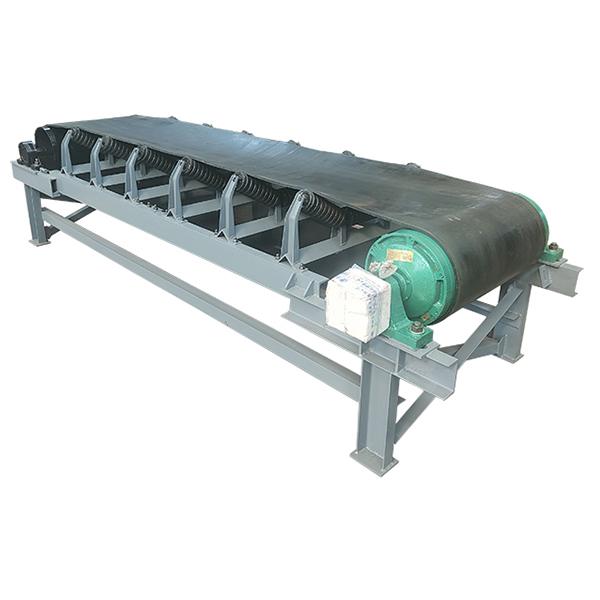
Fixed Belt Conveyor System (DTII / DTII-A Type) The Industrial Backbone for Continuous Bulk Material Transport. The Fixed Belt Conveyor (Industry Standard: DTII or DTII(A) Series) is the most widely used continuous transport equipment in the world. U
Fixed Belt Conveyor System (DTII / DTII-A Type)
The Industrial Backbone for Continuous Bulk Material Transport.
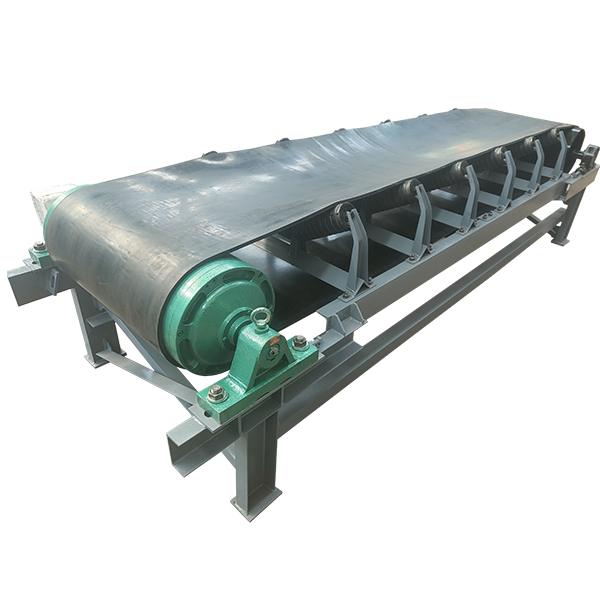
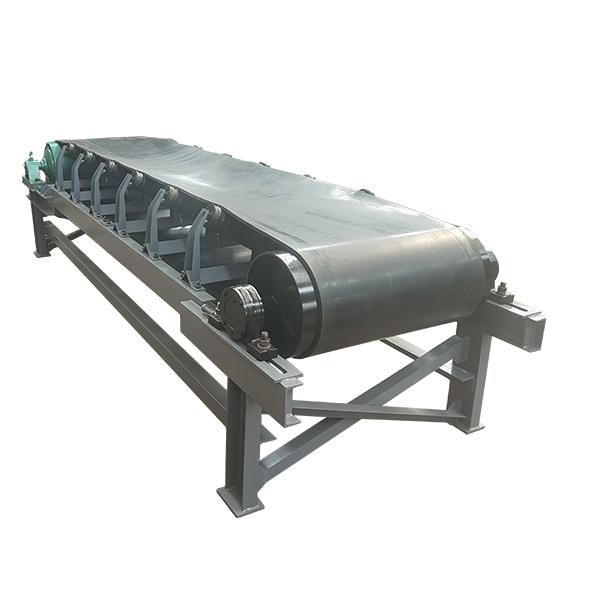
The Fixed Belt Conveyor (Industry Standard: DTII or DTII(A) Series) is the most widely used continuous transport equipment in the world. Unlike temporary mobile conveyors, this system is engineered for permanence, designed to operate 24/7 in mines, thermal power plants, and port terminals.
At [Brand Name], we don’t just supply “conveyors”; we engineer DTII(A) Systems—the upgraded metric standard featuring reinforced channel steel frames and high-performance sealing technology, specifically designed to supersede the legacy TD75 models.

Fixed Belt Conveyor System (DTII / DTII-A Type)
Why Choose DTII Fixed Conveyors? (The Technical Upgrade)
Many suppliers still offer the outdated TD75 design to cut costs. Here is why the DTII(A) is the only viable choice for modern heavy industry:
1. Structural Rigidity (Channel Steel vs. Angle Iron)
The legacy TD75 used simple angle iron stringers, which are prone to twisting under high tension.
Our Solution: The DTII uses Channel Steel (U-Profile) or I-Beam stringers. This structural upgrade provides 40% higher torsional rigidity, ensuring the belt tracks straight even under full load (up to 4000 t/h).
2. Advanced Idler Technology
The lifespan of a fixed conveyor is dictated by its rollers (idlers).
Sealing: We utilize Non-Contact Labyrinth Seals (waterproof & dustproof) rather than simple felt seals. This prevents coal dust or iron ore fines from seizing the bearings.
Run-out: Low radial run-out (<0.5mm) ensures smooth operation at high speeds (up to 5.8 m/s).
3. Configurable Drive Units
We configure the drive train based on your length and tonnage:
< 45kW: Electric Motorized Pulley (Internal Motor) – Compact and sealed.
45kW: External Motor + Fluid Coupling + Gearbox – Provides “Soft Start” protection for long-distance belts.
Core Applications
The DTII Fixed Belt Conveyor is the generic “workhorse” adaptable to almost any bulk material with a density of 0.5 – 2.5 t/m³.
Mining & Quarrying: Overland transport of crushed limestone, granite, and iron ore.
Thermal Power Plants: Feeding coal from unloading yards to crusher houses and bunkers (Fire-retardant belts available).
Ports & Terminals: High-speed loading lines for ship loaders.
Cement Plants: Handling abrasive clinker and raw meal.
Technical Specifications (DTII Standard)
We offer custom fabrication from B500 to B2400 widths.
| Parameter | Specification Range | Engineer’s Note |
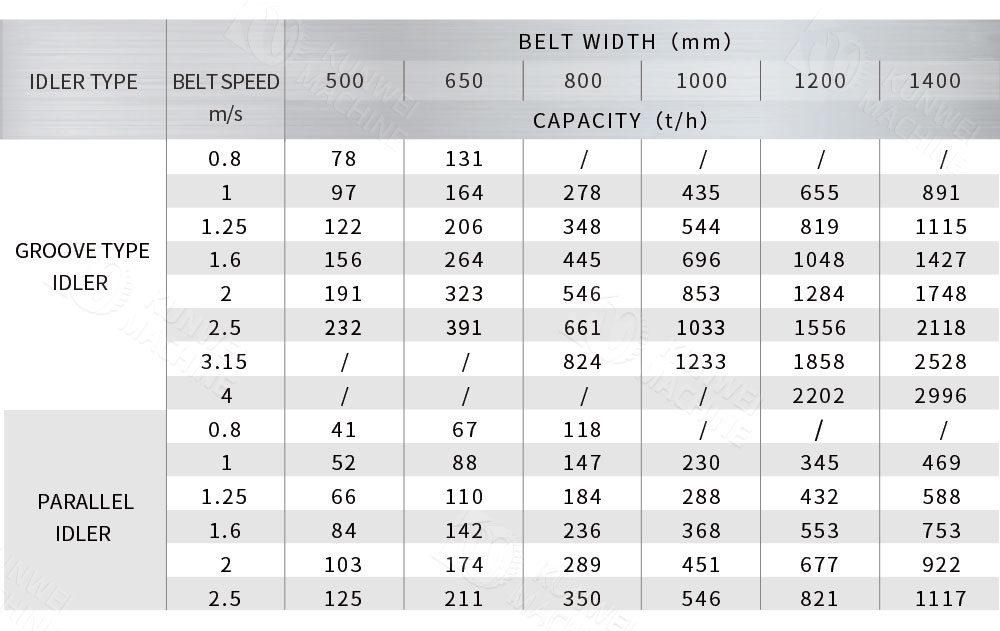
| Belt Width (mm) | 500, 650, 800, 1000, 1200, 1400, up to 2400 | B800-B1200 is most common. |
| Belt Speed (m/s) | 0.8, 1.0, 1.25, 1.6, 2.0, … up to 5.8 | High speed = Higher capacity. |
| Capacity (t/h) | 70 – 4500 t/h | Depends on material density. |
| Max Inclination | 16° – 20° | For steeper angles, use Sidewall Belts. |
| Drive Power | 1.5 kW – 2000 kW | Single or Dual Drive setup. |
| Belt Type | EP (Polyester), NN (Nylon), ST (Steel Cord) | ST is for lines > 1km. |
FAQ: Engineering & Procurement
Q: What is the difference between Fixed and Mobile conveyors?
Fixed Conveyors are bolted to a concrete foundation or steel trestle for permanent installation. They offer higher capacities and lengths (km range). Mobile Conveyors have wheels and are limited to short lengths (usually <30m) for flexible stockpiling.
Q: Can you handle the installation design (Civil Works)?
We provide the full General Arrangement (GA) Drawing and Foundation Load Data. Your local civil engineer can use our data to pour the concrete pillars.
Q: Do I need a walkway?
For any fixed conveyor elevated above 1.5m, we strictly recommend installing a Single or Double-Sided Walkway with handrails for safe maintenance access (ISO Safety Standard).
Ready to Build Your Transport Line?
Don’t guess your specs. Let our engineers calculate the precise Motor Power and Belt Tension for your project.
Fixed Belt Conveyor System (DTII / DTII-A Type)